


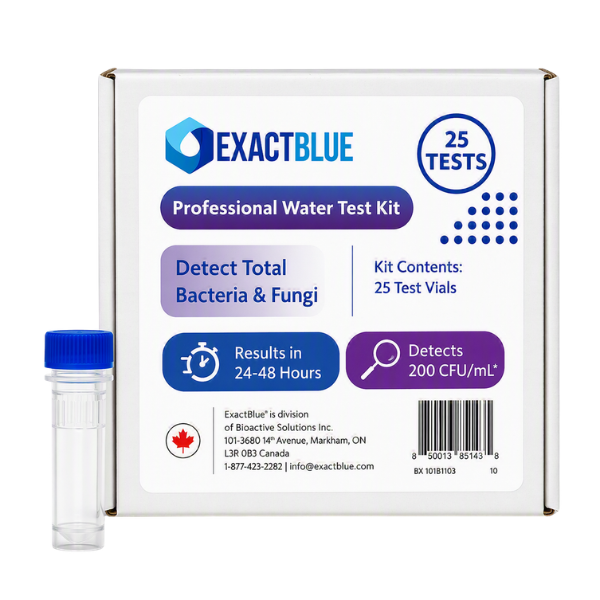
Description
Bacteria are one of the most common contaminants in water, responsible for many waterborne diseases that can cause
serious illness, especially in vulnerable populations like children, the elderly, and immunocompromised individuals.
Regular monitoring enables early detection of contamination, which is essential for monitoring water quality and implementing appropriate interventions.
When testing water for bacteria, there are two important factors to consider.
The first is detection limit, which is the smallest amount of bacteria the test can find.
The second is called time to results, which is just how fast the test gives you an answer. The type of test you need depends on your use. For example, testing wastewater or groundwater may not require the same speed or sensitivity as testing drinking water or water used for bathing, as safety standards will be much stricter.
Applications:
• Agriculture
• Hydrophonics
• Irrigation
• Ponds & Lakes
• Pools & Hot Tubs
• Drinking Water