


The future of dust and odour monitoring. Highlights from CASANZ 2026 conference
28 September 2026
Share


HydroTerra in association with our supplier Oizom, recently attended the CASANZ 28th International Clean Air and Environment Conference and the Asia-Pacific Odour Conference in Cairns. This was a well-run and attended event and was a very good learning experience covering both dust and odour. Here are some key takeaways.
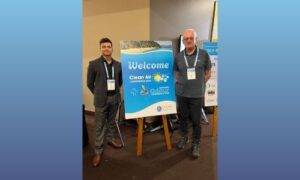
HydroTerra and Oizom attending CASANZ 2026
The 2026 CASANZ Conference reinforced a clear industry trend: environmental monitoring is moving rapidly toward smarter, more connected, and more data-driven solutions. Across both the dust and odour streams, presenters highlighted the growing role of low-cost sensor networks, telemetry, artificial intelligence, and advanced data analytics in helping industry and regulators better understand environmental impacts.
A major focus of the dust sessions was the continued maturation of low-cost air quality sensors. The discussion has shifted from asking whether these sensors can replace regulatory-grade instruments to determining where they fit best in monitoring programs. Presenters stressed a “horses for courses” approach, with low-cost networks providing valuable spatial coverage while reference instruments continue to underpin compliance monitoring. Several presentations demonstrated how machine learning, advanced calibration techniques, and data integration are significantly improving the performance of these networks.
The odour sessions highlighted similar themes of automation and continuous monitoring. Some good discussions centred around industry’s desire to move away from complaint-based investigations toward objective, real-time monitoring systems. Hydrogen sulphide monitoring featured heavily throughout the conference, with multiple case studies showing how continuous H₂S monitoring can provide early warning of odour treatment failures, carbon filter exhaustion, and increasing odour risk before complaints are received. Presenters also highlighted the growing use of low-cost sensors, camera networks, and telemetry systems to improve source identification and plume tracking over large areas.
Another significant theme was the need for more objective and defensible odour assessment methodologies. EPA Victoria presented an alternative classification system based on “obvious”, “subtle”, and “no odour” categories to improve consistency between assessors and reduce subjectivity in field surveys. The conference also examined challenges such as odour fatigue, the limited availability of odour assessor training, and the need for improved standardisation of techniques such as isolation flux chambers used to measure surface emissions from landfills and other facilities. Several speakers emphasised that training, standardisation, and better monitoring technologies will be critical to meeting increasing regulatory expectations.
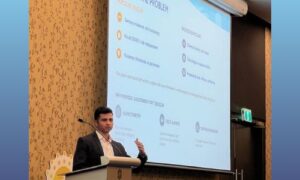
Oizom presenting at CASANZ 2026
Perhaps the strongest message emerging from CASANZ 2026 was environmental monitoring is becoming increasingly integrated. Whether addressing dust, odour, air.
Please contact us if you have questions about how we can help you with dust and odour monitoring.
Contact Us