


Thank you Matthew for sharing a new approach to monitoring using AI vision
27 April 2026
Share


It was great to be joined by Matthew O’Brien to learn about how practical challenges with traditional water quality sensors led to the development of AI enabled visual monitoring. Drawing on real world trials, Matthew showed us how AI vision can support faster detection and response to visible pollution events, while complementing existing monitoring methods.
The key takeaways from the webinar were:
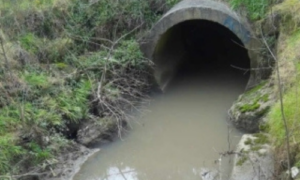
- Traditional water quality sensors face reliability issues in urban stormwater systems due to low flows, debris, damage during rain events and contamination.
- The General Environmental Duty (2021) has increased regulatory focus on proactive detection, particularly of visible pollution events.
- Visible pollution is prioritised by regulators as it is more likely to draw public attention and require rapid response.
- Low cost time lapse cameras provided continuous monitoring, but manual image review creates a major bottleneck
- A generalist AI vision system was developed to automatically screen images, avoiding reliance on heavily labelled training datasets.
- Operational trials analysed thousands of images and successfully generated real world pollution and litter alerts.
- The system supports human decision making and complements sensors, rather than replacing traditional chemical monitoring.
- Collaboration between environmental experts and technologists was critical to rapid deployment from prototype to operational use.
If you missed the webinar or would like to watch it again, head to our website where you can access all of our past webinars.
Watch HereOnce again, thank you Matthew for joining our webinar series.