


From visible pollution to potential odour: HydroTerra’s AI-powered remote contactless pollution detection service
31 August 2026
Share


Pollution entering a waterway is not always immediately reported or investigated. Discharges may occur between routine inspections, during wet weather or at locations that are difficult to monitor. By the time the problem is identified, the pollution may have moved downstream, dispersed or begun affecting nearby communities.
Odour complaints often describe when and where an impact was noticed, but identifying the source can be difficult after the event. Wind, rainfall, water movement and changing site operations can all affect what investigators find when they arrive.
A visual pollution alert can add valuable context. It can indicate that a change occurred at a particular location and help direct attention to a possible discharge pathway. When combined with local weather information, site observations and appropriate environmental monitoring instruments, this can support a more focused investigation.
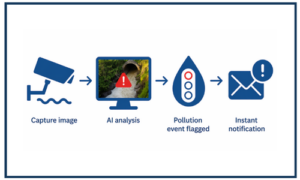
How it works
- A fixed camera observes the waterway
A camera is positioned to monitor a selected area, such as a drainage channel, stormwater outlet or waterway section where pollution events may occur. - Image analysis looks for visible pollution
The system analyses the camera imagery for changes that may indicate pollution. - An alert is generated within seconds
When pollution is detected, the event is flagged and an alert can be sent to nominated recipients. - The alert supports a faster field response
The recipient can review the event, assess the location and determine the appropriate next action.
For organisations responsible for waterways, stormwater infrastructure or industrial sites, the value is not simply detecting pollution. It is creating an earlier opportunity to respond before the event travels further, persists in the environment or develops into a wider water-quality or odour issue.
To see the full range of pollution detection services visit our website.
Download Product brochure here