


Most surface water sampling is straightforward — until it isn’t.
23 February 2026
Share


A steep bank, a concrete channel, a storage tank with high walls, or a slow-moving creek with soft edges can quickly turn a simple grab sample into an awkward and potentially unsafe exercise. In those situations, the difference between improvising and working efficiently often comes down to having the right tool on hand.
A telescopic surface water sampling pole provides controlled reach without requiring entry into the water or overextending from the bank.
The Surface Water Sampling Pole (1.3–3.0 m extension) available through HydroTerra is a lightweight aluminium system designed specifically for environmental monitoring work. It allows technicians to collect samples from open water bodies with better positioning and stability than ad-hoc methods such as makeshift extensions or leaning over structures.
From a technical standpoint, controlled placement of the sample container reduces bank disturbance and sediment resuspension, both of which can influence analytical results. Consistency in sampling depth and technique is a fundamental part of defensible monitoring programs. While the pole itself is simple, it supports good field practice by making consistent technique easier to achieve.
The adjustable length makes it suitable for a range of common field scenarios — from low stream banks to over-water infrastructure — and interchangeable bottle or beaker holders provide flexibility depending on sampling requirements. Importantly, it also improves operator safety by reducing the need to wade or overreach, particularly during high flows or in colder months.
It is not a complex piece of equipment, nor is it intended to be. It is a practical addition to a field kit that removes friction from routine tasks and helps teams work more safely and consistently.
HydroTerra stocks surface water sampling poles and related monitoring equipment for consultants, councils and industrial operators across Australia.
-
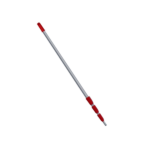
- Surface water sampling pole
-
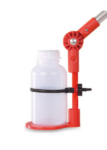
- Sampling bottle holder
-
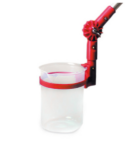
- Sampling beaker holder
If you are reviewing your field kit ahead of the next monitoring program, it may be worth considering whether controlled reach would make your next sampling event simpler — and less acrobatic.
Click here to see the range of equipment. Equipment Range